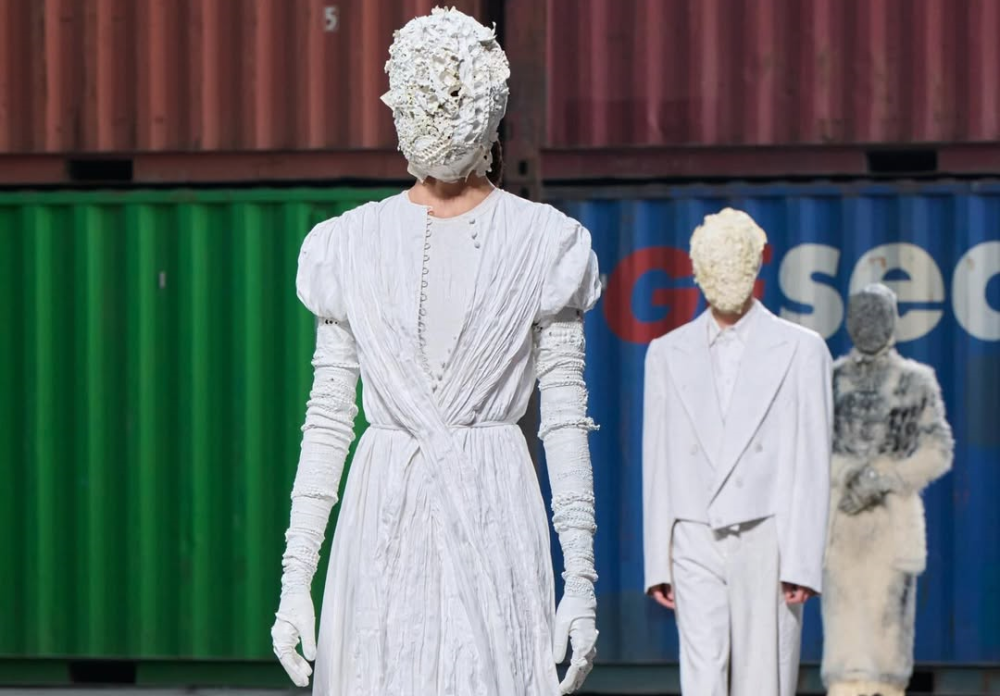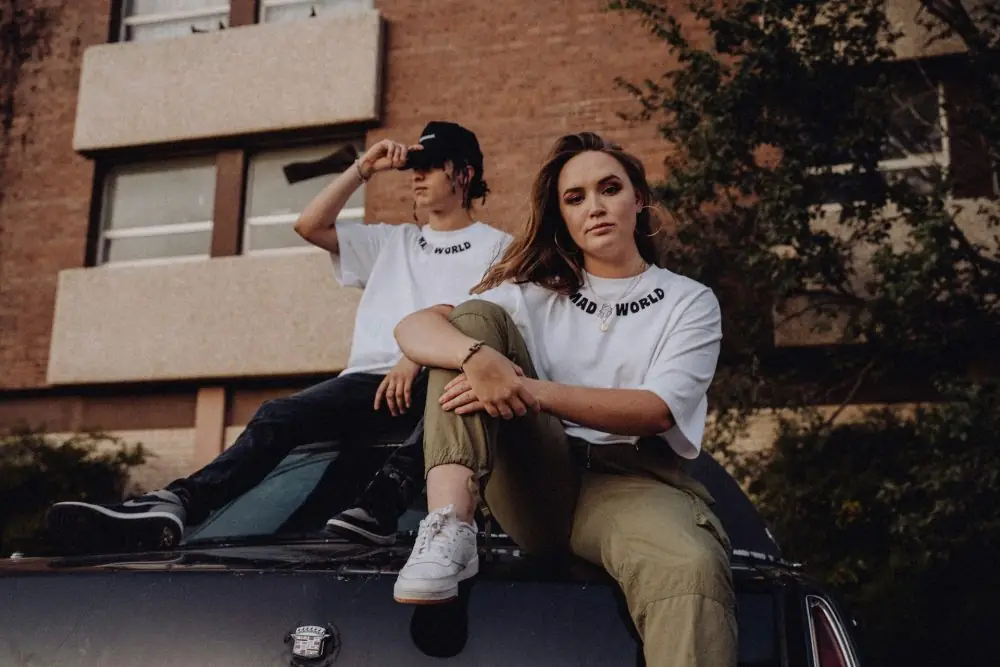
Streetwear did not start as a trend. It started as survival, expression, and pride. Over the last fifty years, it moved from sidewalks and skate parks to fashion weeks and luxury flagships. That journey changed how the world dresses and how fashion listens.
This evolution was messy and powerful. It mixed rebellion with business, culture with commerce. Every era added a new layer, shaped by people who dressed for real life, not approval.
The 1970s Through the 1990s
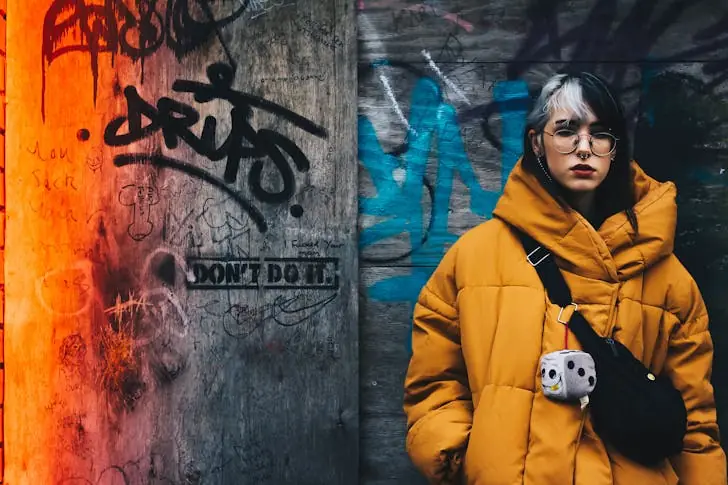
In New York, artists and DJs wore what felt strong and visible. Tracksuits, sneakers, bold logos, and gold chains became symbols of presence. Brands like Adidas, Kangol, and Fila ruled the streets because they felt authentic. One name stood out. Dapper Dan ran a Harlem boutique that never slept. He reworked luxury logos into custom jackets and suits for rappers and athletes.
On the West Coast, comfort mattered more than flash. Skaters needed clothes that could take a beating. Surfers wanted ease and freedom. Shawn Stussy scribbled his name on boards and tees and sparked something global. Stüssy became a badge of belonging, not status. Hoodies, graphic tees, and loose fits spoke to individuality. By the 1990s, these worlds collided. Supreme opened in New York and built a cult following by staying true to skate culture.
The 2000s and 2010s
The new century flipped streetwear into a global machine. The secret weapon was scarcity. Brands learned that fewer products could mean more desire. Limited releases turned clothing into trophies.
Supreme mastered the drop. New items appeared without warning and sold out in minutes. A simple hoodie could resell for triple its price.
This fueled a resale economy and created a new kind of fan, the hype-driven collector. Social media poured gasoline on the fire. Instagram became a showroom. Forums and blogs built legends overnight.
This momentum forced fashion houses to pay attention. Streetwear had what luxury lacked: Cultural heat. It spoke the language of youth. It moved fast and felt real. Traditional fashion could no longer pretend it was above it.
The Massive Shift
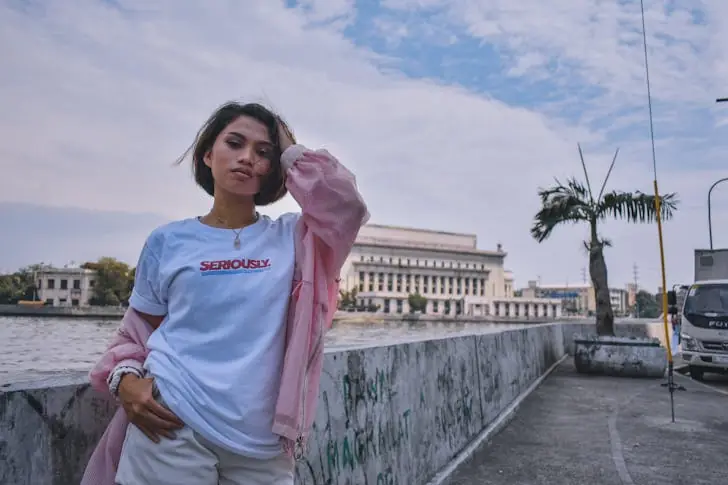
Streetwear was no longer knocking on the door. It was inside.
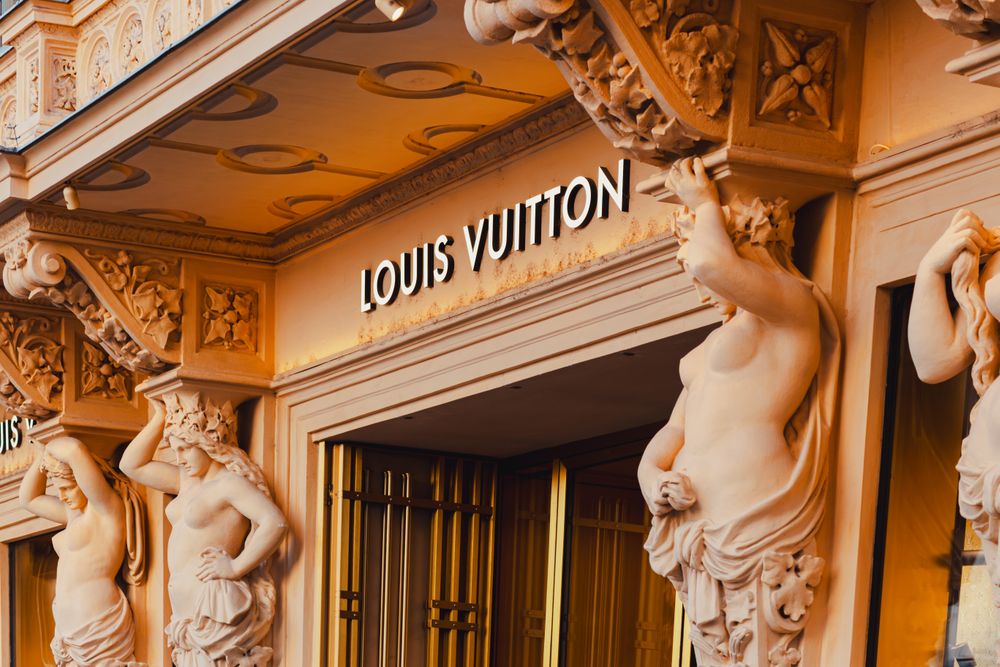
Designers became cultural translators. Virgil Abloh took hoodies and sneakers into the luxury space without stripping their meaning. At Louis Vuitton menswear, he showed that high craft and street codes could coexist. Demna Gvasalia pushed oversized silhouettes and irony into high fashion, making street aesthetics unavoidable. Even leadership roles shifted.
When Pharrell Williams stepped into Louis Vuitton, it confirmed that cultural relevance now mattered as much as heritage.
Today, streetwear dominates but it is also evolving again. Pure hype is losing its grip. Shoppers want quality and longevity. Sustainability matters more. Pieces need to last and mean something. Streetwear is also shaping gender-neutral fashion and digital style. Virtual clothing and avatars are becoming part of the conversation. Across regions, the meaning shifts.
In the West, community still drives loyalty. In parts of Asia, streetwear acts as both status and statement, often with a luxury edge.