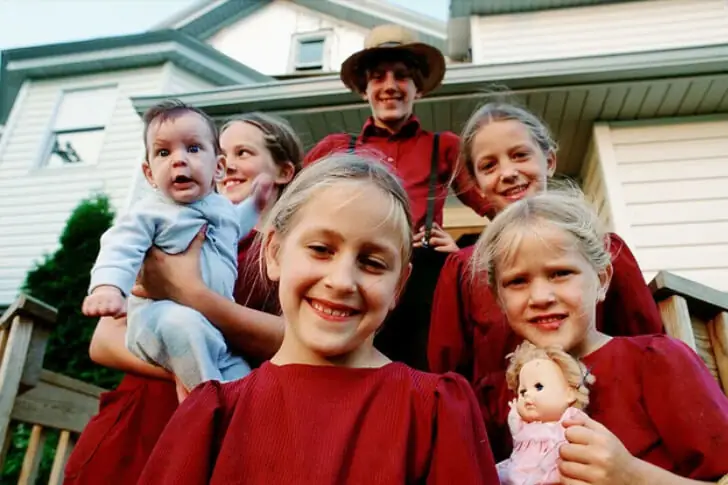
When it comes to stretching a dollar, the Amish have it down to an art. There are no fancy gadgets or retail therapy, yet these folks know how to get creative.
Their lifestyle may look old-fashioned, but there’s a method to their simplicity beyond just dodging Wi-Fi signals. The Amish save money in ways that make even the savviest spenders pause to take notes. They show us that you don’t need a stockpile of coupon apps or endless Amazon sales to live well. From homemade goods to shared community resources, they bring a refreshing twist to thrifty living that anyone can learn from.
Stronger Together

The Amish hail from Europe; their roots go back to 17th-century Switzerland, where they began as a breakaway group from the Mennonites. With their simple, technology-free lifestyle, these folks have built a reputation for focusing on community, family, and, surprisingly, saving money like pros.
Living as a “closed community” means they rely on each other rather than the outside world, sharing resources and skills instead of running up a tab. This kind of tight-knit living shows that cutting down on modern luxuries doesn’t just save cash—it strengthens relationships and encourages a less cluttered life. The Amish keep things thrifty without ever checking a price-comparison app.
Living on Zero Electricity

Living without electricity sounds like an extreme budget hack, but it’s just daily life for the Amish community. They skip all the gadgets and screens that fill most homes, meaning zero monthly power bills. Imagine the savings on chargers alone! Instead, the Amish rely on natural light, candles, and gas lamps, keeping things cozy and uncomplicated.
By avoiding electric heating, air conditioning, and that “smart fridge” nobody really needs, they’ve mastered the art of low-cost living. This unplugged lifestyle shows that by cutting back on energy use, we can not only save money but also reduce all that modern clutter.
Life Without Wi-Fi

Living off the grid for the Amish means skipping all things tech—no smartphones, TVs, or internet. This isn’t just a quirky choice; it reflects their belief in focusing on faith, family, and community over digital distractions.
By saying no to gadgets, they avoid monthly bills, data plans, and the endless stream of upgrades, saving money and simplifying life in one fell swoop. Instead of scrolling through feeds, they spend their time building, farming, and gathering with neighbors, creating memories the old-fashioned way. Their tech-free lifestyle is a reminder that peace (and savings) can be found in unplugging and opting for a more straightforward connection—human interaction.
Real Estate Over Risk

The Amish don’t mess with stocks, bonds, or Wall Street’s rollercoaster ride. Instead, they invest their money in land, property, and family-run businesses—things they can see, touch, and grow over time. Real estate gives them stability, while businesses like woodworking shops or farms provide a steady income and jobs for the community.
It’s a practical approach that keeps their wealth rooted in what matters most: security and sustainability. With this strategy, they skip the stress of market crashes and focus on tangible growth. Investing close to home means their efforts benefit their families and neighbors, creating prosperity they can count on.
Honeymoons Without the High Price Tag

When it comes to honeymoons, the Amish keep things refreshingly simple. Forget exotic resorts or luxury cruises—newlyweds might spend a few nights visiting family or enjoying a quiet stay at a nearby Amish home.
These modest trips, called “wedding journeys,” focus on connection rather than lavish experiences. There’s no splurging on spa days or fancy dinners; the couple dives into everyday Amish life, often helping with chores and spending quality time together. This budget-friendly approach shows that honeymoons don’t have to come with a hefty price tag. By skipping the extravagance, the Amish inspire us to focus on what really matters: time together without the credit card bill!
Neighbors Who Build Together Save Together

When an Amish neighbor needs a new barn, the community doesn’t call contractors—they roll up their sleeves and build it themselves. This “barn raising” tradition is the ultimate DIY project, with neighbors showing up to pitch in, share tools, and bring some serious teamwork.
Everyone knows their role, from hammering and sawing to prepping hearty meals for the crew. And the best part is no labor costs! It’s a day of bonding, working, and saving big by avoiding professional fees. This all-hands-on-deck approach proves that pooling resources and lending a hand not only saves cash but also creates a sense of community that money just can’t buy.
Practical Gifts Over Splurges

The Amish skip the chaos of holiday shopping sprees and opt for gifts that actually matter. Instead of random trinkets or the latest gadgets, they give meaningful, need-based presents like tools, homemade quilts, or baked goods. This thoughtful approach keeps expenses low while ensuring every gift has a purpose. Forget flashy wrapping paper or novelty mugs—they focus on practicality, not clutter.
By avoiding the pressure to buy for every occasion, they save time and money while strengthening relationships through genuine, useful gestures. It’s a refreshing take on gifting that prioritizes thoughtfulness and function over piles of stuff destined for the back of a closet.
Debt-Free and Loving It
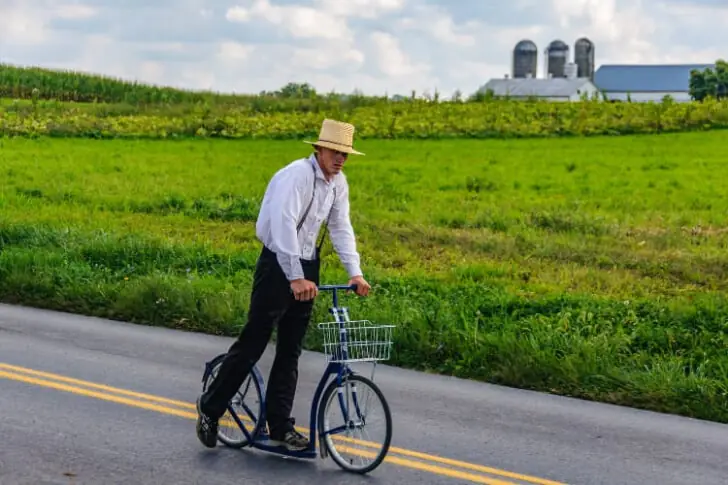
The Amish steer clear of credit cards, which means no interest fees, no monthly payments, and, best of all, no debt. Their approach is refreshingly straightforward: if they don’t have the cash for it, they don’t buy it.
Living within their means is not just a habit but a core value, allowing them to skip the stress of looming credit card bills. By sticking to cash, they avoid the cycle of borrowing and paying interest, freeing up their income for things that matter—like community needs and sustainable living. It’s a simple, old-school approach that proves financial freedom doesn’t require fancy apps or complex budgets.
Loans with Honor

When the Amish take out a loan, paying it back isn’t just a financial responsibility—it’s a moral one. To them, debt isn’t something to juggle or push aside but an obligation that ties directly to integrity. This deep-rooted commitment to repay keeps them from borrowing more than they can handle, as their reputation in the community is at stake.
Unlike the rest of us, who might dodge a bill or two, the Amish tackle repayments head-on, honoring their promises without delay. This refreshingly honest approach reminds us to think twice before borrowing and that a good name is worth more than a stack of IOUs.
Living Clean to Keep Cancer Away

The Amish lifestyle doesn’t just keep wallets full; it seems to keep cancer at bay, too. Studies show that Amish communities have notably lower cancer rates than the general population. With minimal processed foods, no smoking, and a life full of physical activity, the Amish stick to the basics of healthy living.
Their fresh, homegrown diet and toxin-free environment likely play a significant role in their health. Plus, they avoid all the stress that comes with nonstop screen time and high-tech distractions. It’s a reminder that a back-to-basics lifestyle, free from pricey convenience foods and gadgets, might be the ultimate wellness hack—and a money-saver, too.
No Razors Required

The Amish approach to grooming is about as low-maintenance as it gets—no body shaving, period. The men keep their beards as a sign of maturity. Still, they skip the mustache to keep things simple (because mustaches once symbolized military status, which isn’t precisely Amish-friendly). Women follow suit, avoiding any shaving altogether.
This minimalist grooming routine means they skip razors, trimmers, and endless hours in front of the mirror. In a world where body hair products add up fast, the Amish show how a natural look can save time and cash. It turns out that embracing a bit of fuzz might be the ultimate frugal lifestyle hack!
Rumspringa Rebellion on a Budget

Amish teens have a rebellious phase called Rumspringa, a time when they step outside their community and explore the “English” world. Picture it: young Amish men and women experiencing everything from jeans to pizza delivery apps—basically, a reality check on modern expenses.
But here’s the twist: after a taste of life with all its pricey thrills, most return to the Amish way. Why? A simple life without streaming subscriptions or designer brands can be refreshingly light on the wallet. Rumspringa teaches these young Amish a valuable lesson in frugality, showing us that sometimes, less really is more when it comes to financial freedom.
Skipping School the Amish Way
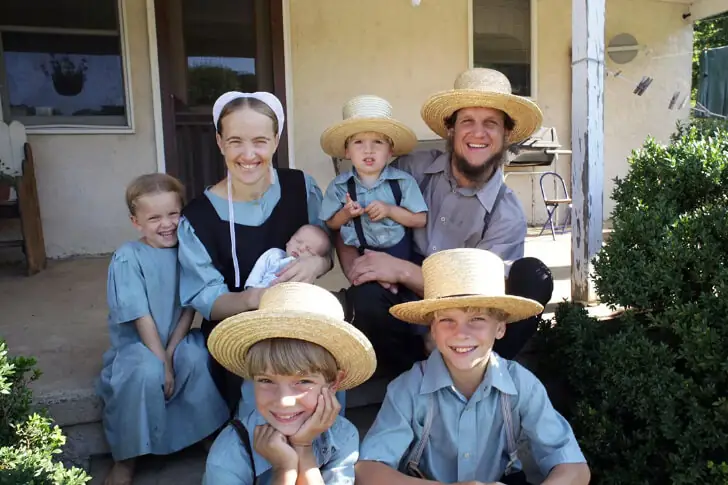
The Amish don’t bother with high school or college—no tuition fees, no student loans, just straight into practical, hands-on learning. Amish kids typically wrap up school around eighth grade, then dive into real-world skills like farming, carpentry, or running a family business.
This early start in the “school of life” means they skip the hefty price tag of higher education and the endless years of paying it off. Instead of a diploma, they gain real expertise that serves their community and lifestyle. In a world obsessed with degrees and certifications, the Amish prove that skipping traditional education can lead to a debt-free life and plenty of savings.
Mastering Three Languages for Free
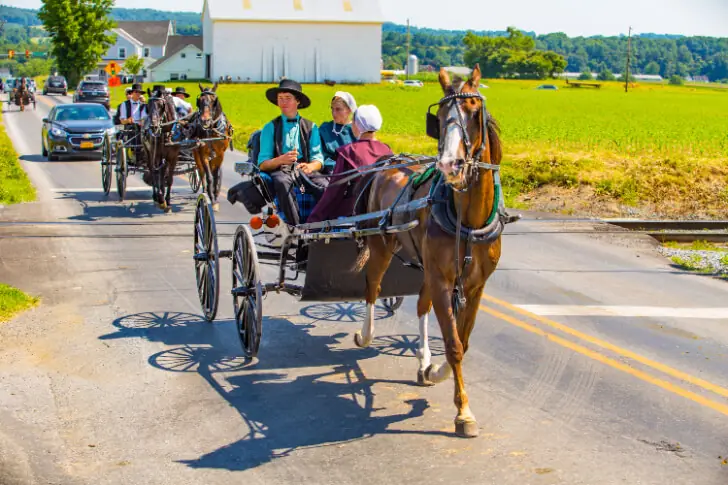
The Amish community is impressively multilingual, speaking Pennsylvania Dutch, High German, and English without paying a dime for language courses. Pennsylvania Dutch is their primary language at home and in the community, while High German is used for church services, and English helps them communicate with the outside world.
This self-taught linguistic trio shows that mastering new skills doesn’t have to come with a high price tag. They skip the pricey language apps and classes, proving that immersion and daily practice can do wonders. For those spending a lot on language lessons, the Amish remind us that learning from daily life can be as effective as it is affordable.
Breaking the Rules Comes with a Price
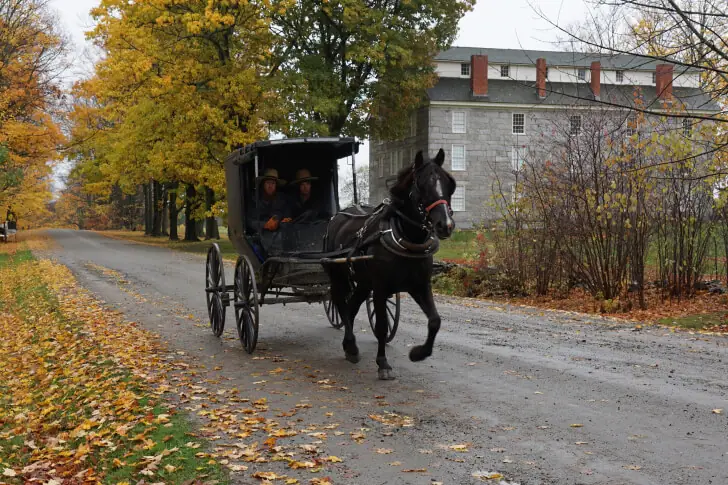
In the Amish world, breaking the community rules isn’t taken lightly. Those who stray face “Meidung,” or shunning, which means being temporarily cut off from social ties and support. It’s like getting an old-school “time-out” but with serious consequences.
This approach keeps people accountable without fines or legal fees—just a solid dose of social responsibility. It also teaches a valuable lesson in sticking to commitments without the pricey penalties. By avoiding lousy behavior (and Meidung), the Amish save on potential costs that come from breaking the rules, reminding us that staying in line can be its own kind of budget-friendly lifestyle.
Saving Big by Keeping Clothes Simple
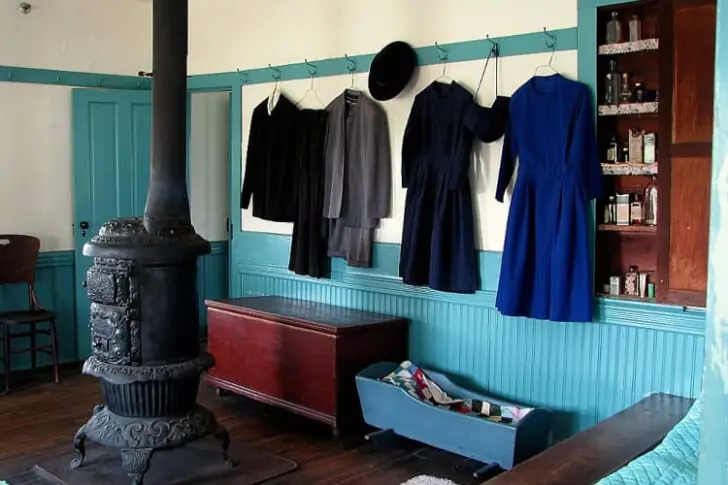
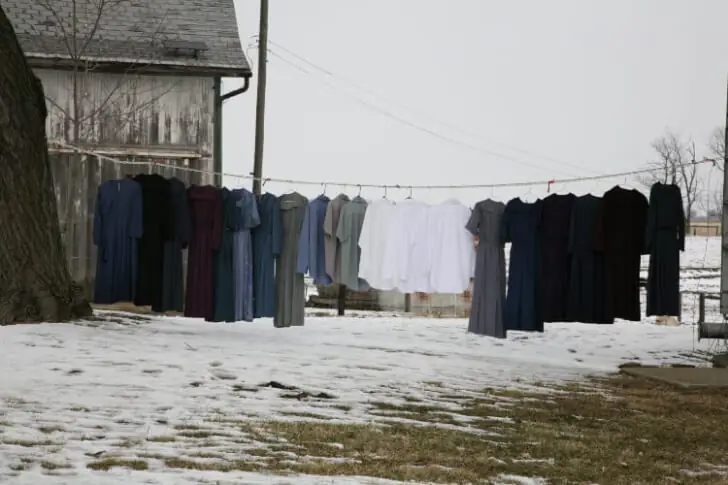
The Amish know that style doesn’t need to come with a hefty price tag. Their wardrobes consist of plain, modest clothing in muted colors—think basic dresses for women and simple trousers and shirts for men.
With no logos, trends, or fast fashion in sight, there’s zero temptation to splurge on new styles every season. They sew their own clothes, choosing practicality and durability over fleeting fads. By sticking to essentials, they skip the cycle of constantly upgrading closets, showing that a minimalist wardrobe can lead to big savings. It just goes to show that keeping it simple doesn’t just save money; it also simplifies life.
Living Together Means Saving Together
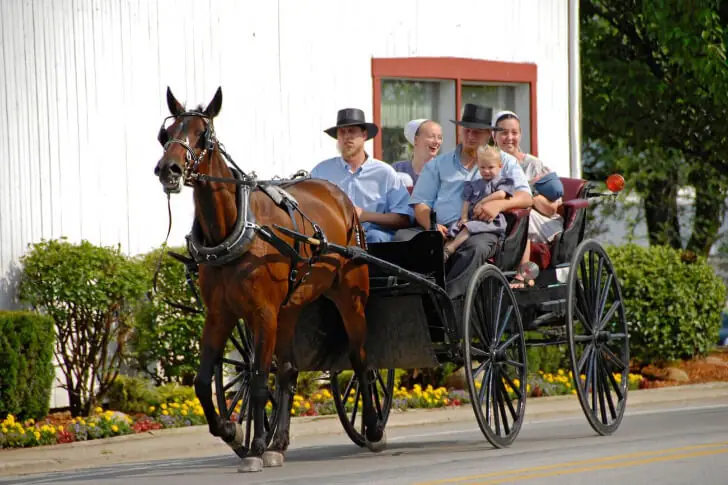
In Amish communities, communal living is more than a tradition—it’s a smart way to save. They share everything, from meals to farm tools, skipping the need for everyone to own their own version of the same thing.
Got a leaky roof? No problem! Neighbors pitch in for repairs, and no one calls an overpriced contractor. Even big tasks, like barn-raising, become team efforts, cutting down costs and strengthening bonds. This sharing mindset keeps expenses low and life simple. The Amish way of pooling resources shows that a bit of cooperation goes a long way in saving money and creating a true sense of community.
The Amish Art of Saving
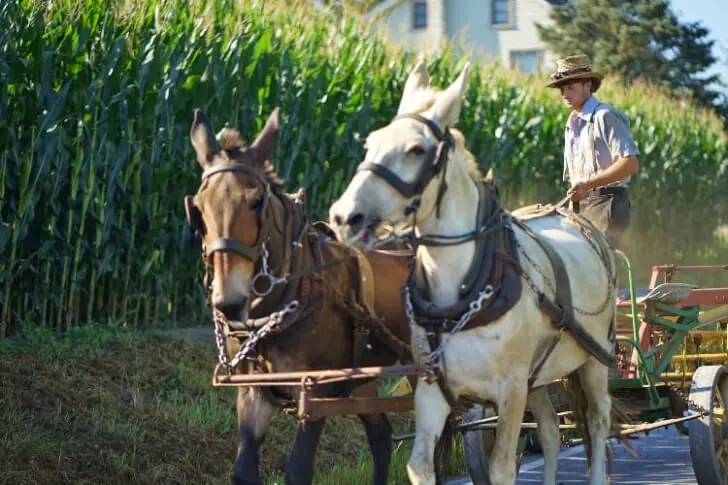
The Amish aren’t just thrifty—they’re practically saving superheroes compared to the average American. With no need for credit cards, streaming subscriptions, or daily lattes, they stash away a surprising amount of money.
The average Amish household often saves more because they focus on essentials and homemade goods, skipping endless shopping sprees. Their lifestyle of simple clothes, shared resources, and home-cooked meals means they live within their means, avoiding debt like the plague. In a world of splurges, these folks show that saving is all about priorities and that a life free of impulse buys can really grow a bank account.
Saving Through Skilled Trades
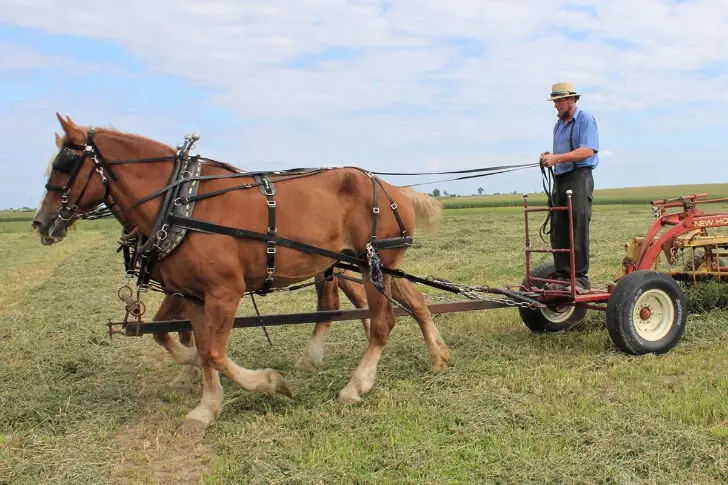
Amish communities thrive on skills that make them master carpenters, builders, and artisans. They create everything from furniture to barns without pricey contractors. Many Amish learn trades from a young age, becoming experts in areas like woodworking, blacksmithing, and farming.
This hands-on knowledge means they rarely need to hire out for repairs or projects, cutting down on labor costs and service fees. While most people are busy paying for every fix and upgrade, the Amish handle it themselves, keeping cash in their pockets. Clearly, building practical skills can save serious money—and sometimes, knowing how to fix your stuff is the ultimate life hack.
Small Business Success

The Amish have a knack for running successful small businesses, from furniture shops to homemade baked goods stands. Their secret? Low overhead and a relentless focus on quality. Amish business owners skip flashy ads and gimmicks, relying instead on word-of-mouth and a reputation for craftsmanship.
By only producing what’s needed and avoiding unnecessary expenses, they keep profits steady and costs down. They also skip debt, often funding businesses through community resources or personal savings. This approach shows that good business doesn’t require flashy branding—just skill, dedication, and a genuine product. The Amish are experts at making small businesses thrive on quality and simplicity, not expensive trends.
Bulk Buying = Big Savings
The Amish are champions of bulk buying, stocking up on essentials like flour, sugar, and oats in massive quantities. Why? With big families and a lifestyle that thrives on homemade everything, they go through supplies quickly.
Buying in bulk helps them save cash, avoid frequent trips to the store, and ensure they’re always ready to whip up a feast. There’s no single-serving anything here—everything’s prepped to feed a crowd! By skipping the single-item purchases and opting for bulk, they not only cut down on costs but also on waste. Buying big is smart shopping, especially when it’s all about sharing and saving.
Weddings That Don’t Break the Bank

Amish weddings might be the ultimate lesson in low-cost love. Forget diamond rings and elaborate venues; these celebrations focus on community, family, and faith—no ballroom or lavish menu needed. The ceremony often occurs in a simple church or home, followed by a hearty homemade meal with guests pitching in to help.
There’s no fancy dress or designer decor—brides wear modest blue dresses, which they often reuse. This pared-down approach skips all the “must-haves” that drain wallets, showing that weddings don’t need a giant price tag to be memorable. The Amish way keeps it humble, proving that true romance doesn’t come with a receipt.
Mindful Shopping with Farm Fresh Benefits

The Amish approach perishable groceries with practical precision, buying just enough to avoid waste. Instead of letting wilting veggies or overripe fruits go to the trash, they hand them off to their farm animals for a tasty snack.
This way, even a slightly soft apple gets appreciated! By keeping shopping lists lean and repurposing food creatively, they avoid the cycle of overbuying and tossing leftovers. Their style highlights the value of careful planning and resourcefulness—after all, even chickens love a bonus veggie treat. It’s a lesson in making the most of every bite without spending more than necessary.
America’s Original Thrift Shoppers

Long before thrifting became the chic way to shop, the Amish were finding treasures in second-hand goods. Their commitment to reusing and repurposing extends beyond clothing; from furniture to farm tools, they prefer items with a little history and durability over shiny, new purchases.
For them, it’s not about trends—it’s about practicality and cost-saving. By sticking to secondhand, they dodge the markup on new items while reducing waste, turning hand-me-downs into the ultimate sustainable shopping experience. You can forget about designer labels here. For these folks, a sturdy, second-hand coat with a story is worth more than the latest fashion splurge.
Going Green the Original Way
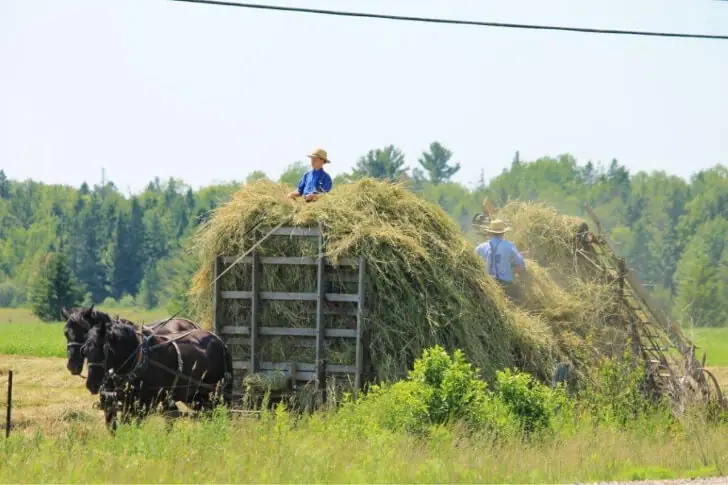
Before “eating green” was a health movement, the Amish were already filling their plates with homegrown, organic vegetables. Their gardens burst with fresh produce that travels zero miles from soil to table, skipping the cost and chemicals that come with store-bought goods.
Eating what they grow keeps their diets clean and wallets fuller, not to mention the added perk of knowing exactly what’s in their food. With their sustainable setup, there’s no need for trendy labels or pricey organic certifications. For the Amish, eating green is less of a lifestyle choice and more a matter of simplicity—proof that healthy eating doesn’t have to cost a fortune.
Living Picture-Free and Loving It
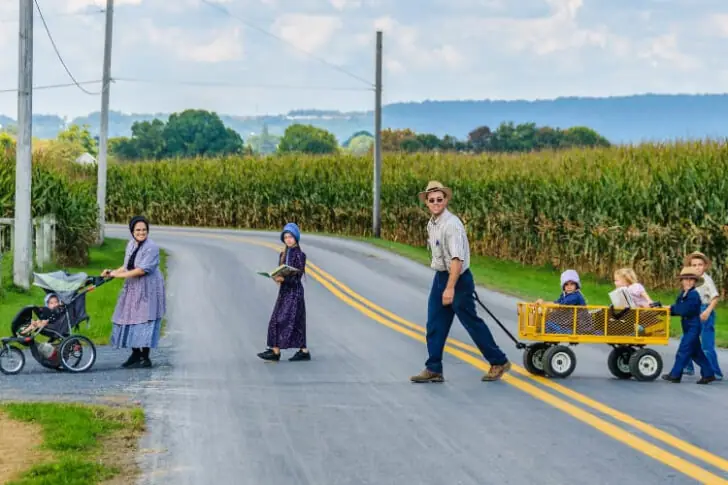
Life off the grid means the Amish skip tech entirely—no phones, no computers, and definitely no selfies. But they take it even further by steering clear of paintings and photos, too. The reason? They believe in avoiding “graven images,” seeing them as distractions from spiritual focus and community values.
So, rather than investing in portraits or photo albums, they keep memories alive through storytelling and shared experiences. Without the need for constant visual mementos, they save big on tech, art supplies, and, well, the endless costs of documenting every moment. Life’s most valuable moments don’t always need to be captured to be cherished.
Bargains Without the Bills

The Amish are true pros when it comes to snagging a deal—sometimes without even opening their wallets. Bartering is alive and well in their world, with goods and services often exchanged instead of cash. Need a new set of shelves? Trade a sack of homegrown veggies or a few hours of help on a neighbor’s farm.
This no-cash-necessary approach keeps costs low and builds a strong sense of community. Let this be a reminder that sometimes, money isn’t the only currency; skills, goods, and a willingness to lend a hand can bring home everything from furniture to farm-fresh eggs—all without spending a dime.
Wealth Shared for Good

In the Amish community, wealth isn’t about flaunting; it’s about lifting others. Those who accumulate wealth don’t keep it to themselves—they pay it forward by helping neighbors in need. This might mean funding medical bills, helping a family build a home, or supporting a new business venture.
Wealthy Amish see prosperity as a communal blessing rather than a personal gain, ensuring everyone can live comfortably without financial stress. It’s a refreshing take on success, where generosity and support are as valued as the savings themselves. For them, a rising tide lifts all buggies, making wealth a tool for community well-being, not individual status.
Imagination Over Toys

Amish kids grow up without the piles of toys most of us consider essential, yet they don’t seem to mind one bit. With no action figures or plastic gadgets, they turn to nature, animals, and each other for entertainment.
This toy-free childhood is less about restriction and more about encouraging creativity, resourcefulness, and a connection to the world around them. From crafting dolls out of corn husks to playing games in open fields, Amish kids prove that imagination is the ultimate plaything. Without the constant stream of toy purchases, parents save big. Sometimes, the best “toys” are the ones money can’t buy.
Unconventional Fun for Kids
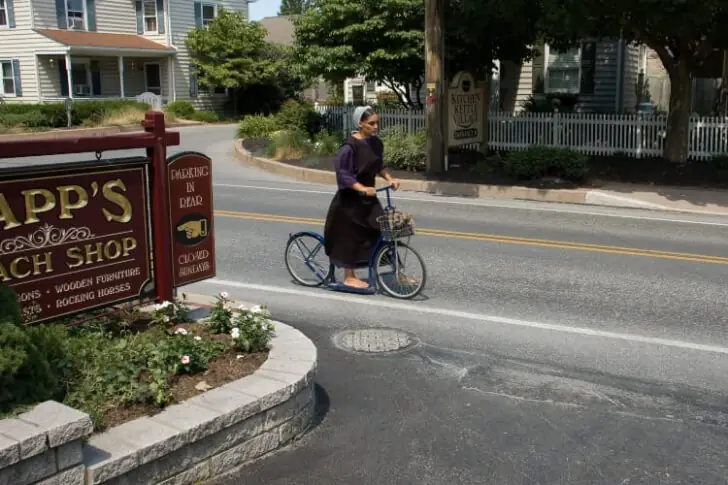
Amish kids don’t need the latest gadgets or theme parks to have a blast—they find joy in the simplest activities. From building forts with hay bales to racing homemade go-karts down a hill, their fun comes with zero price tag and a whole lot of creativity.
Instead of screen time, they get “green time,” running through fields, climbing trees, and learning skills that city kids only see on TV. It’s all about using what’s around them to fuel their adventures, proving that fun doesn’t have to come with a hefty bill. Amish kids know that laughter and excitement often come from the simplest, most inventive moments.
No Social Security Fees

The Amish have a unique approach to “retirement” that skips the typical Social Security system entirely. Due to their religious beliefs, they’re exempt from paying into Social Security, instead relying on family and community support as they age.
In Amish life, elders are cared for within the family or by neighbors, turning aging into a shared responsibility rather than a financial burden. This close-knit, hands-on support system doesn’t just save them on taxes—it fosters stronger bonds across generations. It’s a living example of how community care can replace expensive safety nets; who knew the best “retirement plan” is a little family love and neighborly kindness?
Stability from One Generation to the Next

For the Amish, money isn’t just about the here and now; it’s a tool for building a lasting legacy. Forget the “treat yourself” splurges; they channel earnings into land, family businesses, and resources that can sustain generations.
By avoiding debt and opting for investments that keep on giving, they create stability that reaches far beyond their own lifetimes. This approach puts a refreshing spin on financial planning, where the reward isn’t instant but deeply rewarding in the long run. Amish families bring a different kind of richness to life, focusing on what’s sustainable, dependable, and rooted in a lasting sense of purpose.
Teens Working for Family
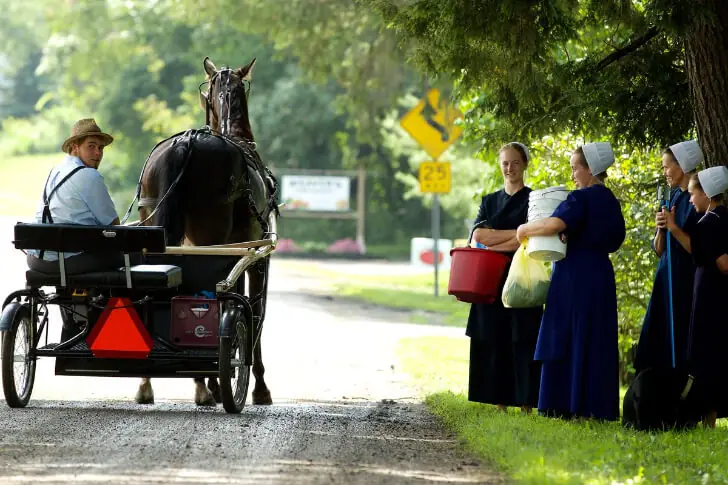
In Amish communities, teenagers aren’t just hanging out—they take up jobs and learn responsibility early. What’s unique is that instead of keeping their earnings, they hand it over to their parents. This isn’t about depriving them of pocket money; it’s a way to teach them the value of contributing to the family.
Parents use these funds to cover household needs or save for future goals, creating a sense of teamwork and shared purpose. This setup skips the typical teenage splurges and channels earnings into something meaningful. It’s a refreshing approach that prioritizes long-term benefits over instant gratification, proving that teamwork starts young in Amish families.
No Food Goes Waste

In Amish households, leftovers are practically nonexistent. Every meal is carefully planned, with just the right portions cooked to ensure nothing is wasted. If, by chance, there’s any extra food, it’s repurposed creatively for the next meal or fed to the animals. This approach saves money while turning food into a resource, not a problem.
Their focus on zero waste means no tossing out wilted veggies or forgotten fridge items, unlike in many modern kitchens. It’s a clever reminder that mindful cooking and using every scrap can stretch a food budget further than expected, proving that delicious meals don’t have to leave anything behind.
Sharing the Meal Load

In Amish gatherings, no one shows up empty-handed. Whether it’s a casserole, a pie, or fresh bread, everyone contributes to the meal, lightening the host’s load. This tradition isn’t just practical—it’s a cost-saving masterclass. By sharing the responsibility of feeding a crowd, they avoid the stress and expense of one person footing the entire bill.
It’s a potluck philosophy that brings a sense of community to every meal. Plus, it ensures a variety of dishes without blowing anyone’s budget. The Amish approach turns a meal into a collaborative effort, proving that when everyone chips in, hosting becomes affordable and way more enjoyable.
Teamwork Makes Chores Easy
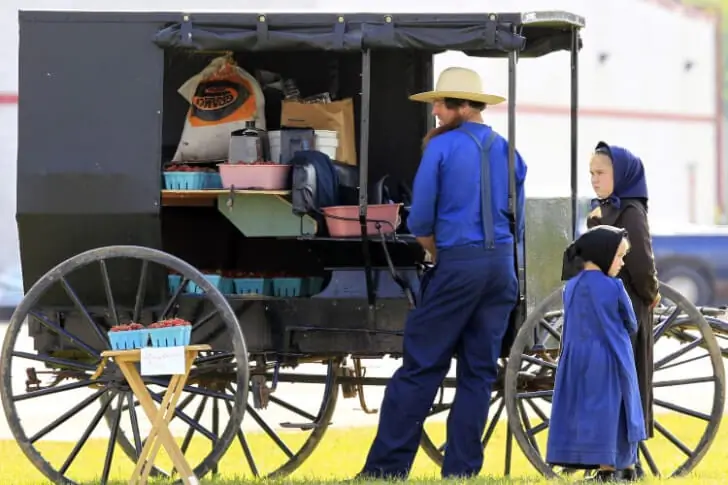
In Amish households, chores aren’t solo missions—they’re full-on family projects. Whether cleaning, cooking, or laundry, everyone rolls their sleeves and gets involved, turning everyday tasks into team efforts. This approach isn’t just about getting things done faster; it’s a clever way to save money by avoiding hired help.
Sharing responsibilities teaches practical skills while strengthening family bonds, turning what could feel like work into a shared experience. By working together, they skip outsourcing entirely, keeping their homes tidy and their budgets intact. These folks prove that with teamwork, even the most mundane chores can feel rewarding (and cost nothing extra).
Extra Work for Big Goals
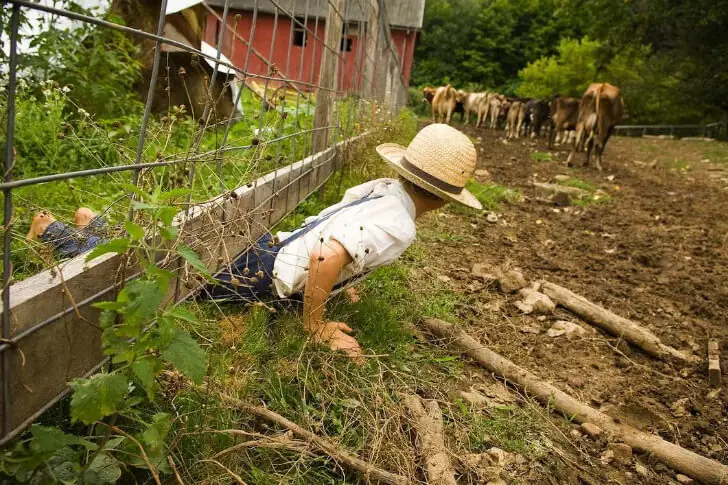
When it’s time for a major purchase, the Amish roll up their sleeves and double down on hard work. Instead of relying on loans, many take on a second job or lend a hand at a neighbor’s business or farm to earn extra cash.
This approach isn’t just about avoiding debt—it reflects their belief in earning rather than borrowing. It’s a practical, community-driven way to tackle financial goals, and it builds stronger relationships along the way. By pitching in wherever help is needed, they turn significant expenses into manageable milestones, proving that sometimes the best payment plan is a little extra effort and teamwork.
No Arranged Marriages Here
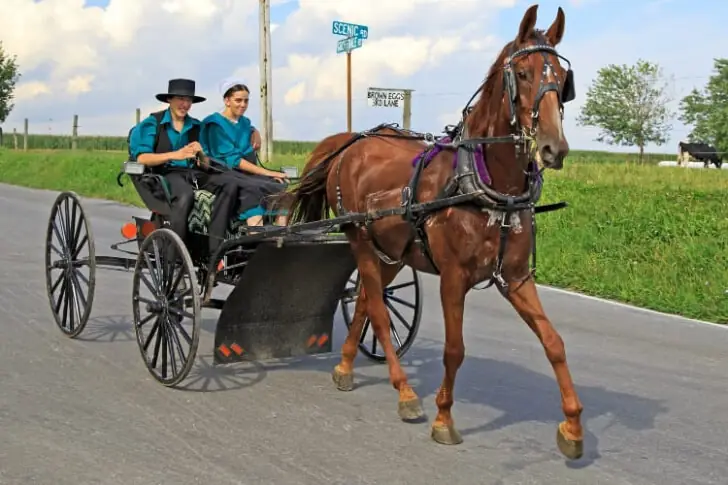
Unlike what some might assume, the Amish don’t have arranged marriages. They date, fall in love, and marry whoever they choose—no matchmaking is required.
The courtship process might surprise you with its simplicity. Young couples meet at community events, share buggy rides, and get to know each other without expensive dates or flashy displays of affection. No over-the-top proposals or Instagram-worthy moments here; it’s all about connection and shared values. This down-to-earth approach skips unnecessary expenses, showing that true romance doesn’t need a big budget. After all, the most meaningful relationships thrive on simplicity and sincerity, not on how much you spend.
Everyone Else Is Simply English

Believe it or not, but to the Amish, anyone outside their community—whether royalty, a celebrity, or a regular Joe—is simply “English.” It’s not an insult; it’s just their way of describing non-Amish folks, regardless of nationality or background.
This term reflects their focus on community rather than outside labels or divisions. Instead of getting caught up in worldly classifications, they prioritize living simply and treating everyone equally. Their straightforward view cuts through societal clutter and, in its own way, saves the emotional and financial energy spent trying to keep up appearances. It’s a refreshing reminder that labels don’t define worth—values and actions do.